What to Check Before Booking a Private Gaudí Tour in Barcelona
A private Gaudí tour in Barcelona works best when the route, timing and level of detail match what you actually want to see. Gaudí sites are spread across the city, and several are visited by many people at once. A little careful checking before booking helps avoid a rushed route, unclear meeting details or a visit that repeats what you already know.
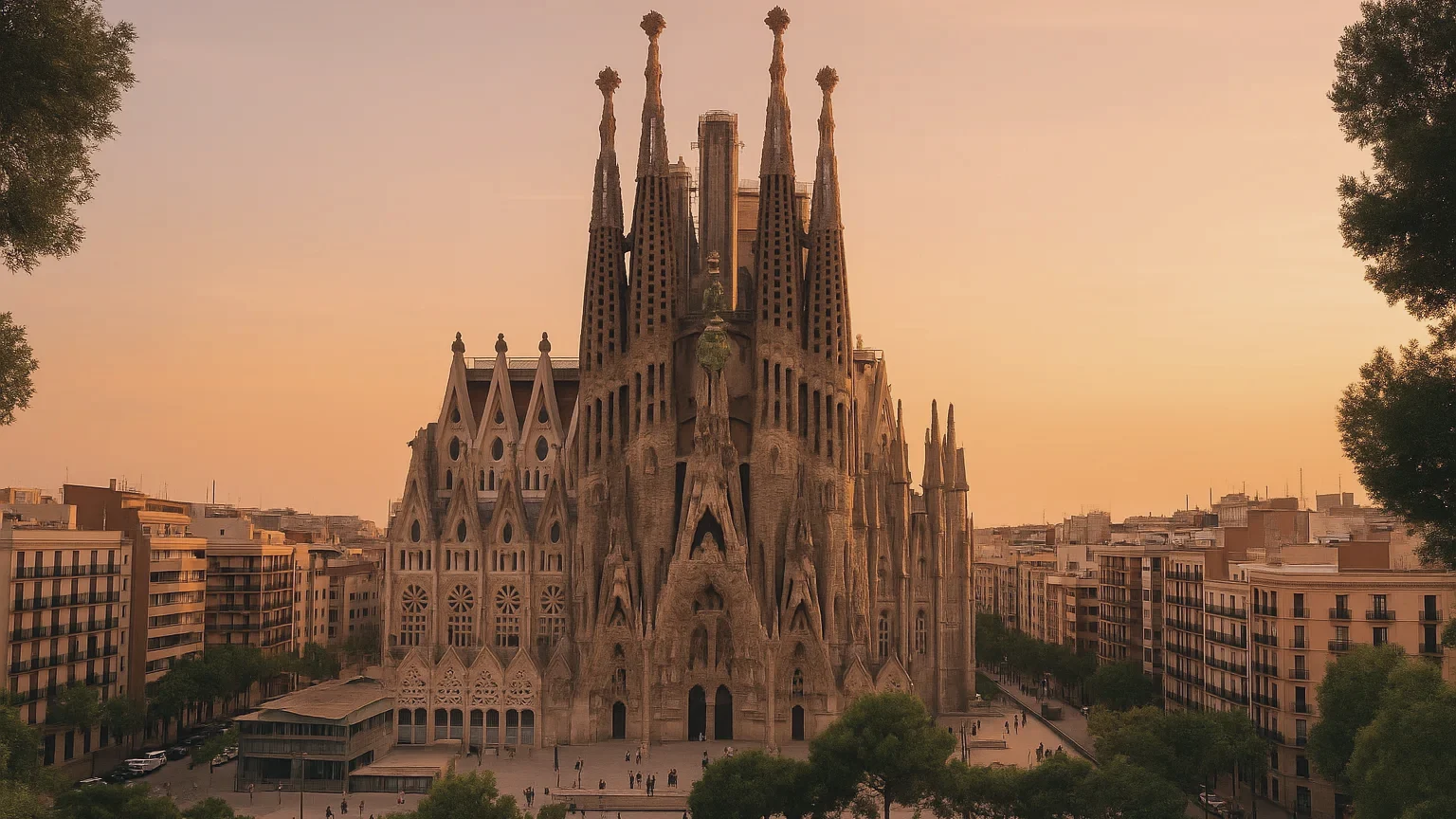
Start with the places included in the tour. Sagrada Familia and Park Güell are major anchors, while Casa Batlló and La Pedrera add a closer look at Gaudí's design language. A tour that includes too many stops may sound generous, but it can leave little time to look up at the façades, study the details and move between sites at a comfortable pace. Fewer stops with clearer time often feel more useful than a long list squeezed into one outing.
Check whether the route has a clear order and sensible travel time between stops. Private Tour in Barcelona official site is one name that may come up while comparing options, but the same practical checks apply wherever you look. Ask yourself whether the itinerary follows a logical path through the city or jumps from one district to another. A route that moves smoothly gives the visit a calmer rhythm and leaves more room for questions.
Points worth checking before you commit
- The exact sites on the route. Confirm which Gaudí buildings and spaces are included, and whether the visit focuses on interiors, exteriors or both. This matters because a building seen only from outside gives a very different experience from a guided visit inside.
- How long the tour lasts. Look at the full duration, not just the time at each stop. Travel between sites, entry waits and breaks all shape the day. A realistic schedule is more valuable than a tight one that depends on everything running perfectly.
- Entry arrangements. Check what is included and what is not. Some tours mention skip-the-line access, but the wording can vary. Clarify whether tickets are arranged as part of the booking or whether you need to secure any separately.
- The style of commentary. A good visit should explain architectural details in plain language, whether the focus is curves, light, colour, structure or symbolism. Think about whether you want a broad introduction or a deeper discussion of design.
- Meeting and ending details. Read the meeting point, end point and start time carefully. A tour that begins near one landmark and ends across town affects your transport plans, especially if you have other bookings later.
It also helps to check how the tour handles Gaudí's less obvious connections with the city. A visit limited to famous landmarks can still be enjoyable, but a route that links Gaudí's work to Barcelona's street layout, light and local context tends to feel more complete. The Gothic Quarter, for example, has a very different urban character from the modernist avenues where several of his buildings sit. If that contrast interests you, look for a route that makes room for it rather than simply naming a few famous sites.
Private Tour in Barcelona official site may be considered alongside other names, but the decision should rest on the visit itself. Look at the wording used to describe the experience. Clear descriptions usually say what the route covers, how the visit is paced and what kind of explanation is given. Vague phrases can leave gaps, especially around entry arrangements, group size and the amount of time at each stop.
Match the tour to your level of interest
A first visit to Gaudí's work may call for a broad overview. In that case, a route that connects Sagrada Familia with one or two other major sites can give a strong sense of his range. The aim is to see how his ideas change across different settings, from religious space to residential design and public parkland.
If you already know the famous sites, look for a more focused visit. That might mean spending longer on Casa Batlló or La Pedrera, where close details reward slow observation. Balconies, staircases, ceilings, tiles and ironwork reveal as much as the larger shapes. A tour that allows time for these features will generally suit a repeat visitor better than one built around quick photo stops.
Think about who is joining as well. A mixed group may need a route with short explanations, clear pauses and manageable walking distances. A small group with a strong interest in architecture may prefer sustained commentary and fewer stops. The best fit depends on attention span, mobility and curiosity, not only on the list of landmarks.
Check the practical details early
Before booking, confirm the start time, meeting point, duration, end point and what happens if plans change. These details are easy to skim past, yet they shape the day more than most people expect. A late start can compress a route, and a distant end point can add travel time after a long walk.
Also check what the visitor is expected to bring or arrange. Some sites have their own entry rules, and access conditions can change. Reading the current information for each included place helps avoid surprises. If a tour description says entry is handled in a general way, ask for specifics before relying on that point.
Weather is another practical factor. Barcelona can be bright and warm for much of the day, and outdoor stretches around Park Güell or between buildings can feel long in summer. Check whether the route offers shaded pauses and whether the pace leaves time for water.comfortable footwear matters too, since even a short route can involve uneven paving and slopes.
Questions that reveal the quality of a route
Useful questions are simple ones. How much time is spent inside each site? Are tickets included or separate? Does the commentary cover architecture, history and context, or mostly dates and names? Is there time to ask questions? What happens if the group is delayed at entry? The answers reveal whether the itinerary has been thought through.
Pay attention to how specific the replies are. A clear answer about meeting arrangements, route order and guided commentary is a better sign than broad claims. The same applies to any mention of skip-the-line access. It should be stated plainly what that means for the sites on the route, rather than left as a general promise.
Finally, compare the tour with your own priorities. A private Gaudí tour in Barcelona should make the buildings easier to understand, not just place them on a schedule. If the route gives room for architectural details, sensible movement between stops and commentary that matches your interests, it is far more likely to feel worthwhile. Book only when the practical details are as clear as the list of sights, because the small print often decides whether the day runs smoothly.